The Science of Water Flow: Why Gutters Fail and How to Keep Them Working in Louisville
Gutters don’t just collect water—they manage it with precision. In our region, heavy rains and seasonal debris turn minor oversights into costly damage. Understanding the physics behind proper flow is the first step to protecting your home’s foundation, roof, and landscaping.
How Gutters Are Supposed to Work
A well-designed gutter system channels rainwater from the roof edge to downspouts, then safely away from the structure. The key is consistent slope—typically a ¼-inch drop per 10 feet—to ensure water doesn’t pool.
Downspouts must handle the volume of a Louisville downpour without backing up. Standard 2x3-inch downspouts work for most homes, but larger roofs or steep pitches may need 3x4-inch or even 4x5-inch options.
The Top Reasons Louisville Gutters Fail
Clogs from leaves, seed pods, and shingle grit are the most common culprits. In neighborhoods like St. Matthews or Jeffersontown, dense tree cover accelerates buildup, especially in fall and spring.
Improper pitch is another silent killer. If gutters sag or were installed level, water sits and corrodes the troughs. Over time, this leads to rust in steel gutters or warping in vinyl.
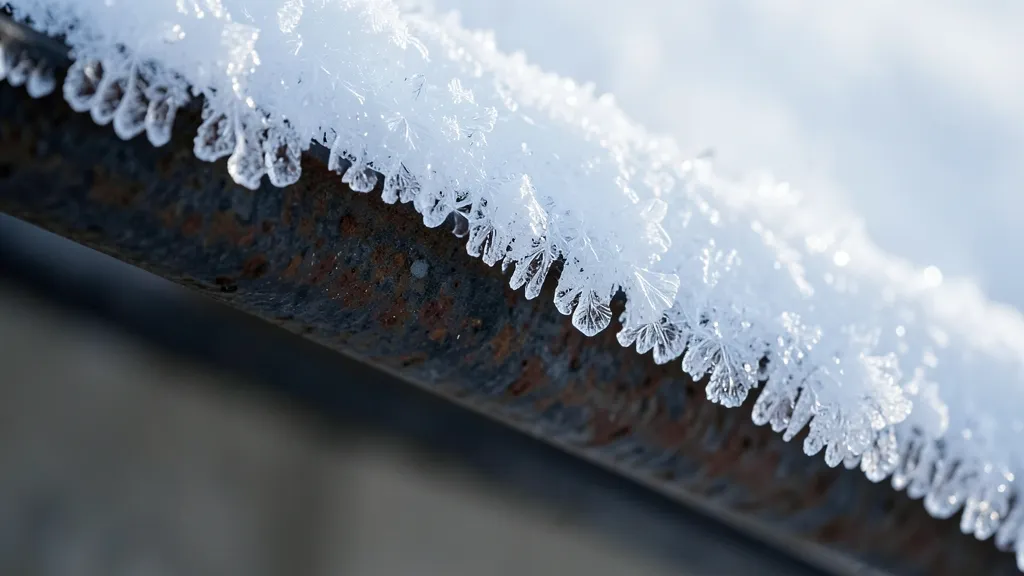
Ice dams in winter are a unique challenge here. When attic heat melts snow unevenly, water refreezes at the eaves, blocking flow and forcing water under shingles.
Overflowing gutters don’t just drip—they erode soil, undermine foundations, and rot fascia boards. Left unchecked, repairs escalate quickly.
Gutter Slope: The Overlooked Science
Slope isn’t guesswork. For every 10 feet of gutter, we aim for a ¼-inch decline toward the downspout. Too steep, and water shoots past; too shallow, and debris collects.
In older homes, especially in Shively or Prospect, we often find gutters installed level by well-meaning DIYers. A quick resealing and resloping job restores function without full replacement.
| Roof Length | Minimum Slope | Ideal Slope |
|---|---|---|
| Up to 20 ft | 1/8" per 10 ft | 1/4" per 10 ft |
| 20–40 ft | 1/4" per 10 ft | 1/2" per 10 ft |
| 40+ ft | 1/2" per 10 ft | 3/4" per 10 ft |
Downspout Capacity and Placement Matters
A single downspout can handle about 600 square feet of roof. Larger roofs—common in Middletown or Prospect—need additional downspouts to prevent overflow during heavy rains.
Placement is just as critical. Downspouts should discharge at least 5 feet from the foundation, ideally into splash blocks or underground drains to prevent erosion.
Material and Design: What Works Best Here
Aluminum gutters dominate in our area for their balance of durability and cost. Copper and galvanized steel last longer but come at a premium. Vinyl is budget-friendly but can crack in extreme cold.
K-style gutters hold more water than half-round, making them ideal for steep roofs. For historic homes in areas like Old Louisville, half-round gutters may be preferred for aesthetic reasons.
Seamless gutters, custom-cut on-site, eliminate leak-prone joints. They’re a smart upgrade for homes with long roof lines or frequent clogs.
Seasonal Challenges in the Louisville Area
Spring brings pollen and seed pods that clog gutters fast. Summer storms test capacity, while fall’s leaves create the worst blockages. Winter’s freeze-thaw cycles stress seams and fasteners.
After major storms, a quick inspection can reveal bent hangers or separated joints before they cause leaks. This is especially true in wind-prone areas near the Ohio River.
Post-Storm Gutter Check
- Look for sagging sections or detached hangers
- Check downspouts for dents or blockages
- Ensure splash blocks are in place and undamaged
- Inspect seams and end caps for leaks
When to Call in the Pros
If you’re seeing water stains on siding, erosion at the foundation, or gutters pulling away from the roof, it’s time for a professional inspection. These are signs of chronic failure, not just a one-time clog.
For homes with steep roofs, multiple stories, or complex layouts, professional cleaning and repair aren’t just convenient—they’re safer. Our team uses ladders, lifts, and specialized tools to work efficiently and safely.
While cleaning gutters from a ladder is doable for single-story homes, it’s risky without proper training and equipment. Improper techniques can damage gutters or cause issues.
Long-Term Solutions to Prevent Failure
Gutter guards reduce debris buildup but aren’t maintenance-free. Micromesh screens work best for fine debris like pine needles, while reverse-curve systems handle larger leaves well.
Regular maintenance—twice a year for most homes, more if you’re surrounded by trees—keeps water flowing. Pair this with annual inspections to catch small issues before they escalate.
How to Check Your Gutter Slope at Home
A simple test can reveal if your gutters are pitched correctly.
- 1Gather Tools
You’ll need a garden hose with a spray nozzle, a level (or a level app on your phone), and a measuring tape.
- 2Clear Debris
Remove leaves and grit from a 10-foot section of gutter to ensure accurate results.
- 3Test the Flow
Have a helper run water from the hose at the far end. Water should flow smoothly toward the downspout without pooling.
- 4Measure the Slope
Place the level on the gutter bottom. If it’s not slightly tilted toward the downspout, adjust the hangers to create a ¼-inch drop per 10 feet.
- 5Check Downspout Drainage
Ensure water exits the downspout quickly and doesn’t back up. If it does, the downspout may be clogged or undersized.
Frequently Asked Questions
How often should I clean my gutters in Louisville?
Twice a year is the baseline—once in late spring and again in early fall. Homes with overhanging trees, like those in Jeffersontown or St. Matthews, may need quarterly cleanings to prevent clogs and overflow.
Can I just add more downspouts to fix overflow issues?
Adding downspouts can help, but only if the gutters themselves are properly sloped and free of debris. First, address clogs and pitch. Then, assess if additional downspouts are needed based on roof size and rainfall intensity.
Why do my gutters sag in the middle?
Sagging usually means the hangers are spaced too far apart, the gutters are overloaded with debris, or the fascia boards are rotting. In older homes, we often find worn-out spike-and-ferrule hangers that need replacing with more durable hidden hangers.
Are gutter guards worth it for Louisville homes?
Yes, for most homes—especially those with mature trees. They significantly reduce cleaning frequency and prevent clogs. However, no guard is 100% maintenance-free. Fine debris like pine needles may still require occasional attention.
What’s the most common gutter problem you see in this area?
Clogged downspouts from compacted leaves and seed pods. Many homeowners clean the gutters but overlook the downspouts, leading to hidden backups that cause overflow and water damage.
How do I know if my gutters are properly sloped?
During a rainstorm, watch the flow. If water pools in sections or overflows at the seams, the slope is likely insufficient. You can also use a level to check for the recommended ¼-inch drop per 10 feet.